The Physiological Trauma of Surgery
Whether you have undergone a cosmetic procedure like liposuction or a major orthopedic surgery like a knee replacement, the surgical process creates controlled trauma. Tissues are severed, and blood vessels are disrupted.
The body's immediate biological response is to flood the area with fluid rich in proteins, white blood cells, and healing factors. While this is a necessary stage of healing, the sheer volume of this fluid often overwhelms the local lymphatic system, leading to severe swelling, bruising, and pain.
At The Richmond Hill Spa, we utilize advanced Manual Lymphatic Drainage (MLD) to artificially pump this system, accelerating recovery times by up to 50 percent.
Interstitial Fluid Dynamics: Why You Swell
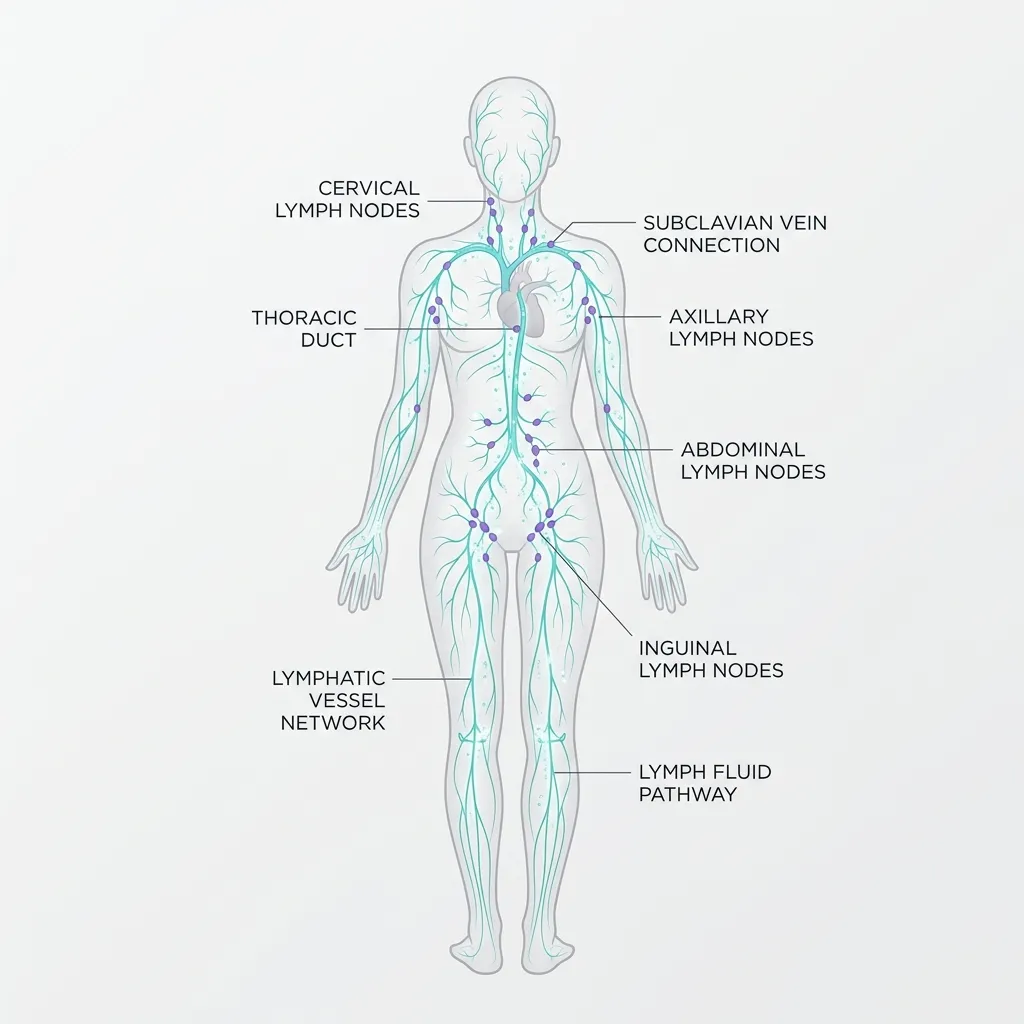
Your cardiovascular system has the heart to pump blood, but your lymphatic system has no central pump. It relies entirely on muscle contractions and differential tissue pressure to move fluid up against gravity.
After surgery, your mobility is drastically reduced. Without muscle movement, protein-rich fluid becomes trapped in the interstitial spaces (the gaps between your cells). If left stagnant, these proteins begin to crystallize and harden.
Interstitial Fluid Dynamics: Without vs. With Clinical MLD
Fluid stagnates, pools at the bottom, and hardens into fibrotic tissue (scarring).
Rhythmic pumping flushes proteins upward into the lymphatic capillaries.
*Visual simulation. Actual clinical outcomes are dependent on surgical protocol and timeline.
The Danger of Fibrosis and Seromas
Patients often ask, "Can I just wait for the swelling to go down naturally?"
Clinically, waiting is a risk. Stagnant lymphatic fluid acts like a glue. As it sits in the tissue, it forms dense, uneven scar tissue known as Fibrosis. This can leave permanent hard lumps under the skin, completely ruining the aesthetic results of body contouring surgeries.
In severe cases, trapped fluid pockets form Seromas, which must be painfully drained with a needle by a physician.
Clinical MLD manually opens the lymphatic capillaries, allowing this high-protein edema to be safely flushed through the kidneys.
The Clinical Protocol: Why MLD is NOT a "Massage"
A common and dangerous mistake post-op patients make is booking a standard "deep tissue" massage. Deep pressure on a fresh surgical site crushes regenerating capillaries and increases inflammation.
True Manual Lymphatic Drainage uses an incredibly specific technique:
The Vodder Method
The RMT uses flat hands and a specialized stretching of the skin - applying less than 9 ounces of pressure.
Directional Pumping
We do not push fluid randomly; we stretch the skin precisely toward the nearest healthy lymph node clusters (usually in the armpits or groin).
Mechanotransduction
This exact rhythmic stretching physically pulls open the anchoring filaments of the lymphatic vessels, creating a vacuum effect that sucks fluid out of the swollen tissue.
When Should You Start?
Timing is critical for surgical recovery.
- Cosmetic Surgeries (Liposuction, BBL, Tummy Tucks): Surgeons typically recommend starting MLD within 48 to 72 hours post-surgery, while the tissue is still highly malleable.
- Orthopedic Surgeries (Joint Replacements): MLD can be used on the surrounding tissues almost immediately to manage pain and restore joint range of motion faster.
About the Author
Dr. Amanda Chen, RMT
Lead Registered Massage Therapist & Clinic Director
CMTO #10248
Dr. Chen is certified in advanced Manual Lymphatic Drainage (MLD). She works closely with plastic surgeons and orthopedic specialists across the GTA to manage complex post-operative edema.
Protect Your Surgical Investment
Do not let fibrosis ruin your recovery. Secure your post-op healing protocol with our specialized lymphatic specialists.
Book a Post-Op AssessmentDirect Billing Available for Major Insurers.