Beyond "Relaxation"
In the modern landscape of Richmond Hill's corporate and tech sectors, "stress" is no longer just an emotion; it is a chronic physiological state. When you are constantly under pressure, your body is locked in Sympathetic dominance (Fight or Flight).
Standard relaxation massages feel good, but they often fail to address the neurological root of this tension. To truly reset the body, we must interface directly with Cranial Nerve X: The Vagus Nerve.
What is the Vagus Nerve? (The Neurological Superhighway)
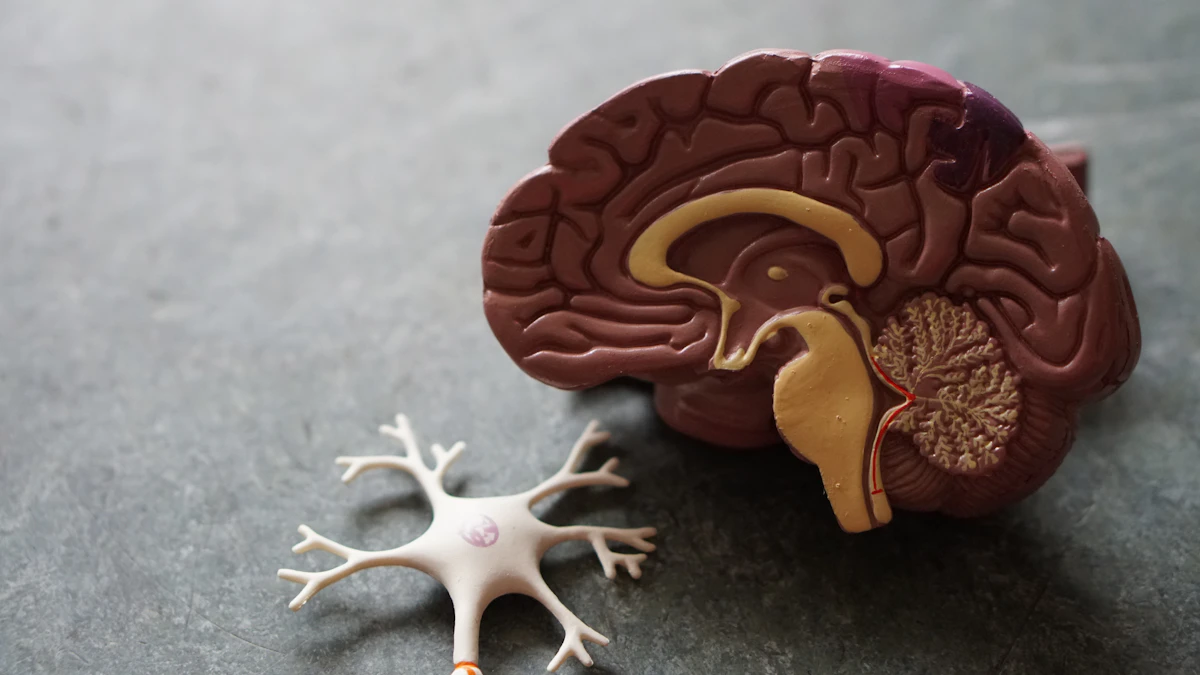
The Vagus Nerve is the longest cranial nerve in the body, wandering from the brainstem, through the neck, and down into the abdomen, touching almost every major organ. It is the biological "brake pedal" for your stress response.
According to Polyvagal Theory, the tone of your Vagus nerve dictates your ability to recover from stress. High vagal tone means you recover quickly; low vagal tone leads to chronic inflammation, poor digestion, and persistent anxiety.
The Autonomic Scale
Slide to explore the different states of your nervous system.
Functional Freeze (Dorsal Vagal)
Functional Freeze, Brain Fog, Digestive Sluggishness.
The Mechanism of Action: How Touch Alters Neurology
How does a manual therapist actually influence a nerve located deep inside the body? The answer lies in cutaneous mechanoreceptors—specifically Ruffini corpuscles and Pacinian corpuscles embedded in the skin and fascia.
When a Registered Massage Therapist applies sustained, low-velocity, deep-pressure techniques, these receptors send afferent signals up the spinal cord to the brainstem. This triggers a localized release of acetylcholine, the primary neurotransmitter of the parasympathetic nervous system, effectively forcing the body's physiological brake pedal to the floor.
Clinical Techniques Used at The Richmond Hill Spa
Suboccipital Decompression
Gentle, sustained traction at the base of the skull where the Vagus nerve exits the brainstem.
Diaphragmatic Myofascial Release
The Vagus nerve passes through the diaphragm. Releasing tension here physically un-tethers the nerve and deepens the breath cycle.
Visceral Manipulation Cues
Light, directional pressure on the abdominal fascia to stimulate the enteric nervous system (the "second brain" in your gut).
Craniosacral Rhythms
Tuning into the subtle fluctuations of cerebrospinal fluid to promote deep autonomic shifts.
Measuring the Impact: Heart Rate Variability (HRV)
The results of this therapy are mathematically measurable. Clients tracking their biometrics (via Oura rings, Whoop straps, or Apple Watches) frequently report a significant spike in their Heart Rate Variability (HRV) and a drop in their Resting Heart Rate (RHR) in the 48 hours following a targeted Vagus Nerve session.
About the Author
Dr. Amanda Chen, RMT
Lead Registered Massage Therapist & Clinic Director
CMTO #10248
Dr. Chen specializes in neurological down-regulation and somatic therapies. Her clinical focus bridges the gap between muscular rehabilitation and nervous system health.
Shift Your Physiology Today
Stop living in survival mode. Book a specialized nervous system regulation session and physically rewrite your body's response to stress.
Book a Vagus Nerve SessionAvailable under standard RMT insurance coverage.